Source Outdoor Directional Rhcp N F Antenna for Base, Car, GPS
Find and compare 22 outdoor directional rhcp n f antenna options for base stations, vehicle mounting, and GPS navigation. Review specifications like 50Ω impedance, N-Female connectors, and frequency ranges to select the right component for your broadcasting or receiving needs.
Key considerations
Products List


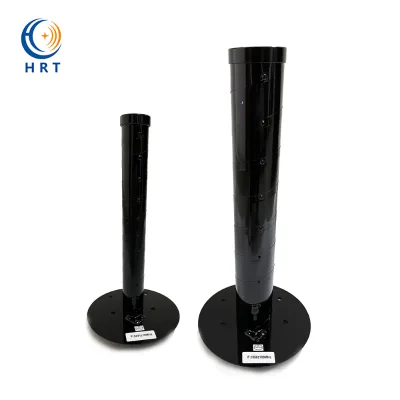
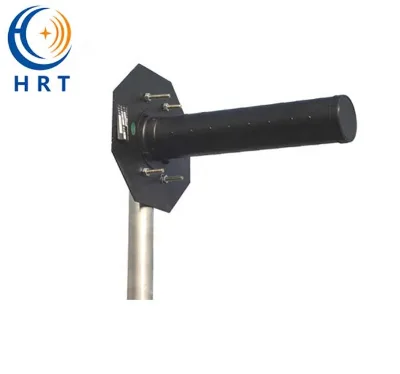
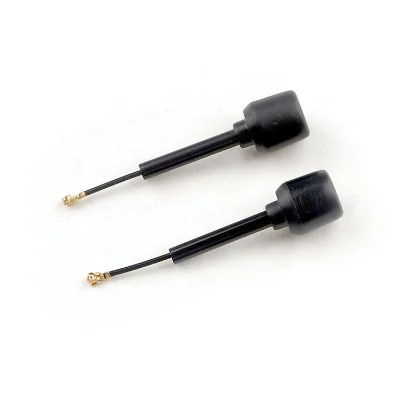
Comprehensive Sourcing Guide
Outdoor Directional Rhcp N F Antenna Sourcing Guide
Procuring outdoor directional RHCP N-Female antennas requires careful alignment between specific operational needs and the available product attributes observed in the market. Buyers must distinguish between wire antenna structures and surface antenna forms, as the supplied data indicates a mix of fiberglass and ceramic materials used for different frequency bands. The presence of N-Female connectors alongside Fakra C or SMA Male options suggests that adapter compatibility is a critical first step in the selection process.
The observed frequency ranges span from 70MHz to 2500MHz, covering applications like broadcasting and GPS, yet the specific RHCP requirement narrows the viable pool significantly. While some listings mention vertical polarization, RHCP antennas operate on a different principle that must be explicitly confirmed by the supplier. Buyers should verify that the directional characteristics match the intended coverage area, as the data shows both directional and omnidirectional options are currently listed under similar product names.
Product Scope and Observed Listing Signals
The market listings reveal a diverse range of antenna types, including fiberglass wire antennas and ceramic surface units, which complicates the identification of a pure RHCP directional model. Some products are explicitly labeled as base antennas or car antennas, indicating that the physical form factor varies from 20mm to 800mm in length depending on the specific frequency band. Buyers must scrutinize the product name and structure form to ensure the item is designed for outdoor mounting rather than indoor or vehicle-specific use.
Observed listing signals include specific dimensions like 20x400mm and 600mm, alongside packaging standards that vary from single bundles to cartons containing 200 units. The color options of black, white, and grey are standard, but the material composition of aluminum or ceramic dictates the environmental durability required for outdoor deployment. Procurement teams should focus on the "Nature of Operation" field to confirm the antenna is intended for receiving signals in the specific microwave or L-band frequencies required for their project.
Technical Specifications to Verify
Technical verification must begin with the impedance and VSWR values, as the data shows ranges from 1.5 to 2 and values below 1.5, which directly impact signal transmission efficiency. Buyers need to confirm that the 50Ω impedance is consistent across the entire operating frequency range, particularly when selecting between the 868-915MHz and 2400-2500MHz bands. The horizontal beamwidth of 35±5° is a critical parameter for directional antennas, and any deviation from this specification could compromise the intended coverage pattern.
Polarization is another vital specification, as the supplied facts list vertical polarization for some units while the core keyword demands RHCP. Buyers must explicitly request test data confirming right-hand circular polarization to avoid purchasing linearly polarized antennas that will suffer significant signal loss. Additionally, the connector type must be verified as N-Female, as some listings offer Fakra C or SMA Male connectors that would require additional adapters and introduce potential points of failure.
Compliance and Safety Documentation
While the supplied facts do not explicitly confirm certification status, buyers should treat RoHS and CE compliance as mandatory requirements for outdoor electronic equipment deployed in regulated markets. The absence of explicit certification data in the product attributes means that suppliers must provide valid test reports to prove compliance with environmental and safety standards. Procurement teams should request these documents before finalizing any order to ensure the antenna materials and manufacturing processes meet international safety guidelines.
Quality assurance documentation should also include proof of the manufacturing standards, such as ISO 9001, even though these are listed as low-confidence background information. Buyers must verify that the production origin in China adheres to the specific quality control protocols required for the project's longevity. Without clear evidence of these standards, the risk of receiving non-compliant units increases, potentially leading to regulatory issues or premature field failures in harsh outdoor environments.
Cost Drivers and Commercial Terms
The observed price range of 0.3 to 50 USD suggests significant variation based on material, frequency band, and customization levels, with aluminum and fiberglass units likely occupying different price tiers. Buyers should anticipate that customized dimensions and specific polarization requirements will drive costs toward the higher end of the observed spectrum. The MOQ of 100 units for some models and 1 unit for others indicates that economies of scale play a major role in the final unit price and should be factored into the budget planning.
Commercial terms such as the Fob Port in Guangzhou and payment methods like TT or Paypal are standard but require careful negotiation to manage cash flow and logistics. The delivery time of 10 days is a key factor for project timelines, yet buyers must confirm if this lead time applies to customized orders or standard stock items. Understanding the packing standards, such as 1PCS per bundle or 200 units per carton, is essential for calculating shipping costs and ensuring the equipment arrives without damage.
Supplier Qualification and Quality Control
Supplier qualification should focus on their ability to provide consistent customization, as the data indicates that dimensions and polarization can be tailored to specific needs. Buyers must assess the supplier's track record in delivering high-precision antennas, as the product attributes highlight reliability as a key selling point. Verifying the supplier's capacity to maintain the specified VSWR and impedance values across large production runs is critical for ensuring uniform performance in the field.
Quality control processes must be validated through on-site audits or third-party inspections, especially given the mix of wire and surface antenna structures in the listings. Buyers should request sample units to test the physical durability of the fiberglass or ceramic materials against environmental stressors like UV exposure and moisture. Ensuring that the supplier adheres to the stated packing standards and provides accurate weight and dimension data for each carton is also necessary for efficient logistics planning.
Long-Term Procurement Checks
Long-term procurement success depends on establishing a clear protocol for verifying the antenna's performance over time, particularly regarding the frequency bands and polarization stability. Buyers should implement a schedule for periodic field testing to ensure the VSWR and impedance remain within the specified limits as the equipment ages. This proactive approach helps identify potential degradation in the connector or material integrity before it leads to system-wide communication failures.
Maintaining a relationship with the supplier for future support and spare parts is equally important, given the specific nature of the N-Female connector and custom dimensions. Buyers should confirm the availability of replacement units with the same specifications to ensure consistency in future expansions or repairs. Regular reviews of the supplier's delivery times and quality control records will help maintain a reliable supply chain and mitigate the risks associated with long-term outdoor deployments.
FAQs
What connector options are available for this outdoor directional antenna?
The antenna is offered with an N-Female connector as the standard termination, and some models support Fakra C Blue or SMA Male connectors instead. Connector choice typically depends on the cable and radio equipment you are matching, so confirm the required interface before ordering. Customized terminations can also be discussed with the supplier during the quotation stage.
Which frequency ranges do these fiberglass antennas cover?
Listed fiberglass models operate across 868-915MHz, 70-2700MHz, and 2400-2500MHz, with GPS variants covering L1 and L5 bands and a BDS band at 1258.29MHz to 1278.75MHz. Select the range that matches your broadcast or receiving application. Frequency-specific performance should be verified against each model datasheet before placing an order.
What is the typical VSWR specification for these antennas?
Listed models specify VSWR values of 1.5 to 2, with some variants rated below 1.5, measured against a 50-ohm impedance system. Lower VSWR generally indicates better impedance matching and less reflected power. Confirm the exact VSWR rating for your chosen frequency band, since values can vary between models and operating wavelengths.
How are the antennas packed and delivered after ordering?
Standard packing uses cartons with 1 piece per bundle, and some models ship at 200 pieces per carton weighing about 12.5 kilograms. Listed delivery time is around 10 days, with FOB shipment from Guangzhou. Exact carton dimensions and shipping volumes depend on the antenna model, so review packing details before arranging logistics.
Can the antenna dimensions and beamwidth be customized?
Yes, customization is available. Listed sizes include 20X400mm, 600mm, and 800mm, while dimensions can also be fully customized, and horizontal beamwidth is offered at 35 plus or minus 5 degrees with customized options. Provide your required length, gain pattern, and mounting conditions so the factory can confirm feasibility and quotation.
What materials and colors are used for these antenna products?
Fiberglass models use aluminum construction, while certain GPS patch variants use ceramic material. Available colors are black, white, and grey, which supports visibility or concealment requirements at base stations and vehicle installations. Material and color selection may affect durability and appearance, so state preferences early when requesting customized production.
What is the minimum order quantity and payment method?
Listed MOQ starts at 100 pieces for some models, though the broader catalog shows MOQ ranging from 1 to 500 depending on the product. Payment is accepted by T/T and Paypal. Small trial orders may be possible for standard models, so confirm the MOQ applying to your specific configuration before finalizing a purchase plan.
Which polarization and directionality types are offered?
The catalog includes vertical polarization on fiberglass models and omnidirectional or directional variants, with RHCP circular polarization relevant to satellite receiving applications. Directional antennas concentrate energy in one plane, while omnidirectional units cover horizontally around the mount. Match polarization and directivity to your link requirements before selecting a model.